As a teacher, one of the biggest lessons I’ve learned is this: when students are given the freedom to write their own stories, their own genres, and their own ideas, their writing blossoms in ways no daily prompt could ever capture.
I used to think prompts were the way to go. After all, they seemed to keep everyone “on task” and gave me control over what students were producing. But over time, I realized that prompts often produced the same kind of writing over and over again—surface-level, formulaic, and disconnected from who my students truly were as thinkers and creators.
That’s where Writer’s Workshop changed everything.
In this blog post, I will share 4 reasons why student choice leads to better writing:
1.) Ownership Creates Motivation
2.) Authentic Writing Builds Real Skills
3.) Creativity Shouldn’t Have Limits
4.) Differentiation Happens Naturally
5.) Writing Becomes a Lifelong Practice
1.) Ownership Creates Motivation
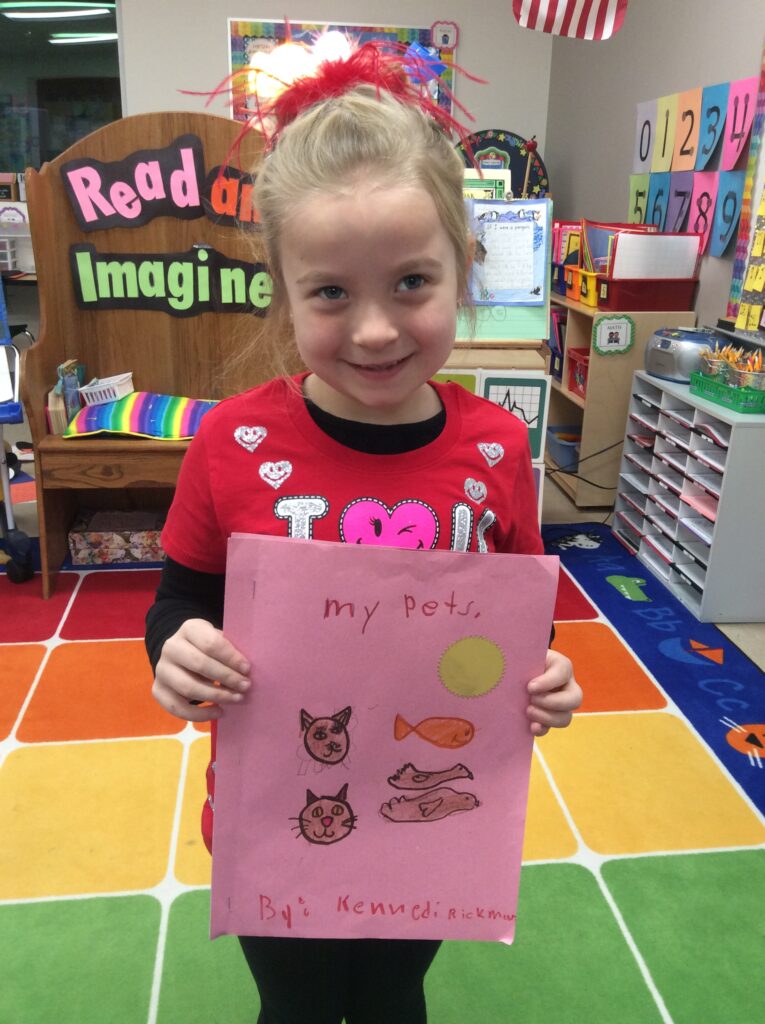
When students get to choose their own topic, they become invested. Writing no longer feels like an assignment—it feels like an opportunity. They’re not just completing work for me; they’re creating something that belongs to them. That ownership sparks motivation, and motivated writers are far more willing to take risks, revise deeply, and push themselves as authors. At the beginning of the year, I teach a whole lesson on what an author and an illustrator is.
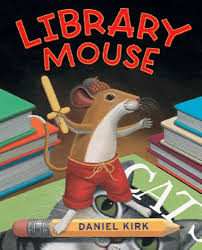
We discuss how authors write about what they love and are passionate about. We read The Library Mouse by Daniel Kirk to show that anyone can be an author and an illustrator. If you haven’t read this book, it’s such a great story about a mouse who lives in the library and each night he writes a new story for the students to read. At the end, the students ask to meet this author, and he builds a contraption to show that anyone can be an author! It’s such a sweet story!
2.) Authentic Writing Builds Real Skills
Prompts might check off a skill or standard, but authentic writing practice builds lasting abilities. When a child chooses to write a personal narrative about their weekend adventure or a fantasy story inspired by their favorite book, they are naturally applying the skills we want them to learn—organization, voice, description, structure—without even realizing it. Writing becomes purposeful, not forced.
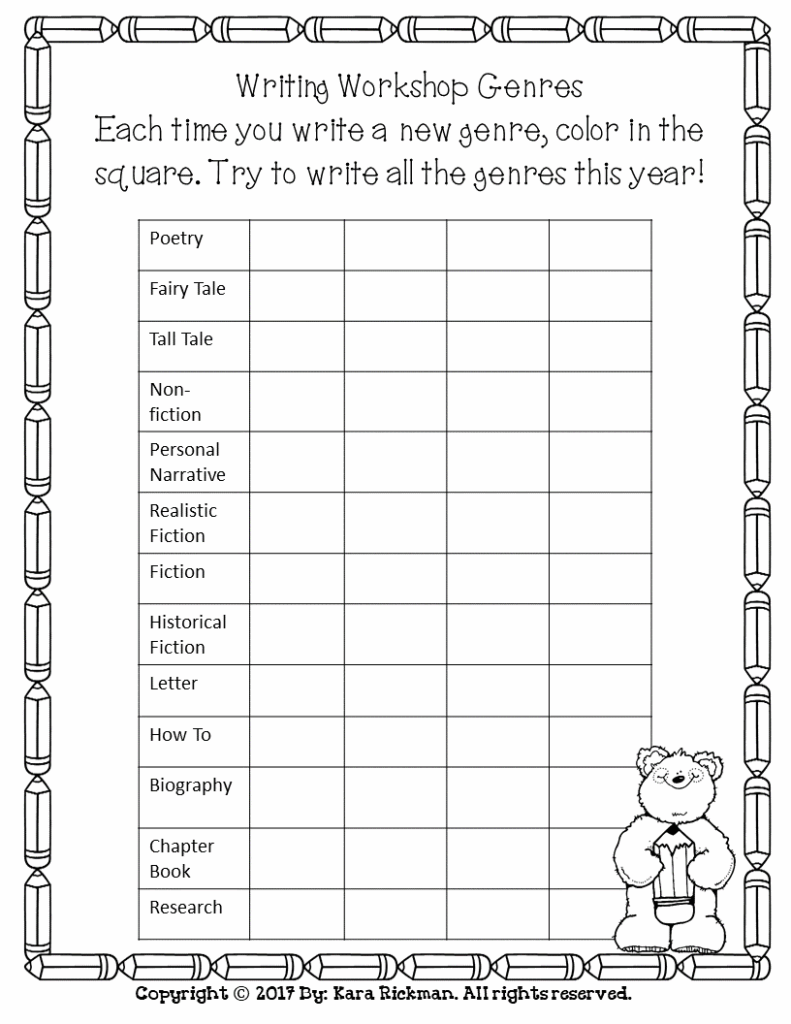
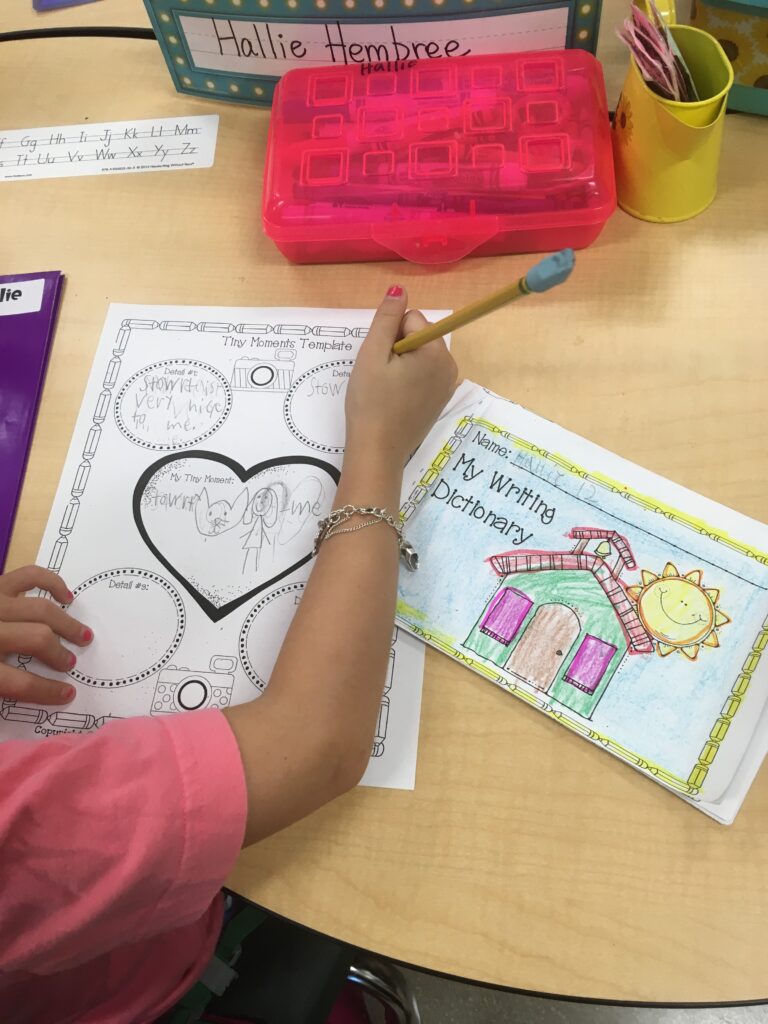
I have a genre chart that goes inside my students’ writing folders, and we bubble in a new genre each time they start a new story. So, we always start with a personal narrative by writing a tiny moment.
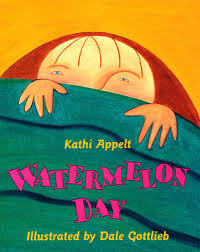
A tiny moment is a snapshot of their life and it has to be something true. Some mentor texts that we read are: Watermelon Day by Kathi Appelt, The Relatives Came by Cynthia Rylant, Wildred Gordon McDonald Partridge by Mem Fox and Roller Coaster by Marla Frazee to give my students an example of stories that might be true and connections that we have to the stories.
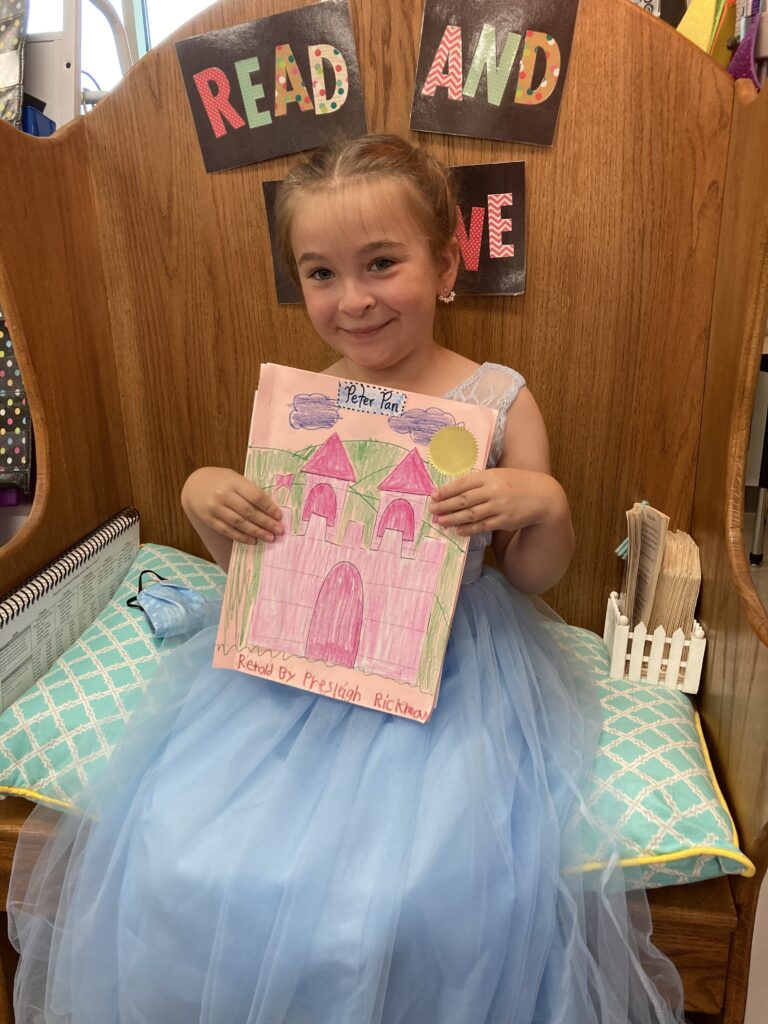
3.) Creativity Shouldn’t Have Limits
A prompt tells students what to think about. Choice tells them their ideas matter. I’ve seen students who struggled to write a single paragraph to a prompt suddenly fill pages when they’re allowed to write in their chosen genre. Some of the most reluctant writers in my classroom have turned into storytellers, graphic novelists, or poets—because I gave them permission to be.
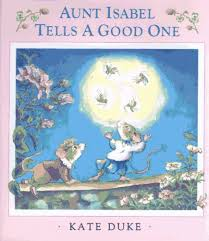
One of my favorite mentor texts to read about what a story includes is Aunt Isabel Tells a Good One by Kate Duke. It’s a sweet story about two mice who are telling a made-up fairy tale and talk about what a good story needs to have for example: characters, setting, problem, and solution.
4.) Differentiation Happens Naturally
Every class is full of diverse learners, and no single prompt fits every child. Some students are ready to write multi-page stories, while others need space to explore short poems or sketches. Writer’s Workshop allows each child to work at their own level, in their own way, while I guide them with mini-lessons and conferences. Prompts can feel like a one-size-fits-all shirt—Writer’s Workshop is tailor-made learning.
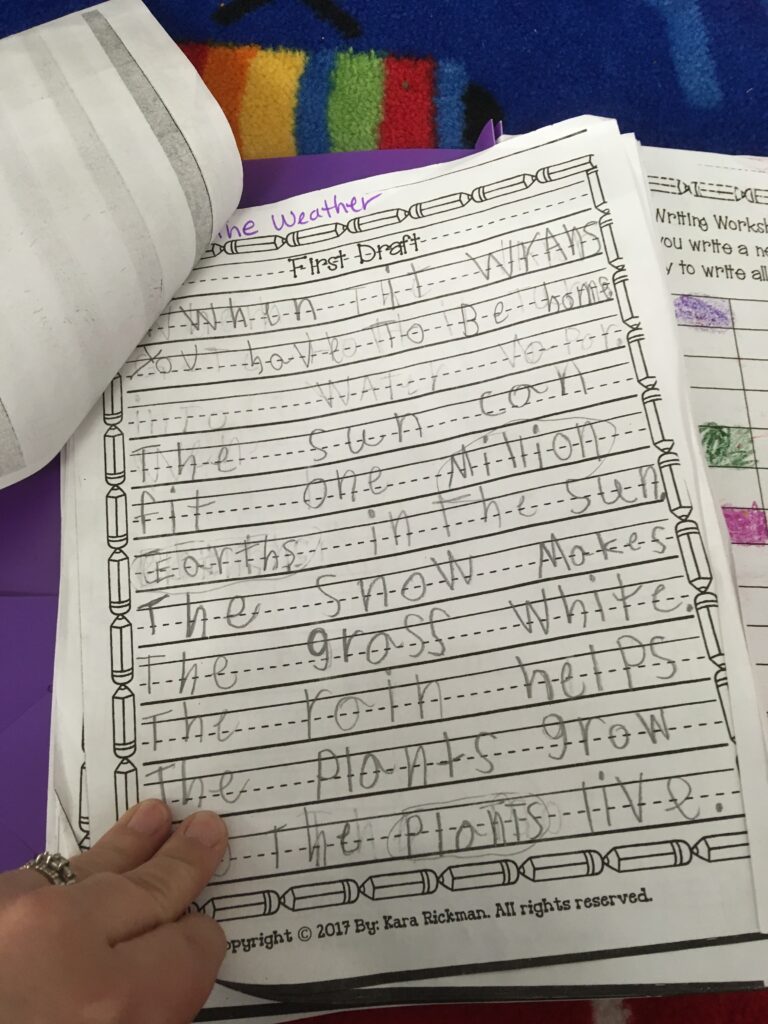
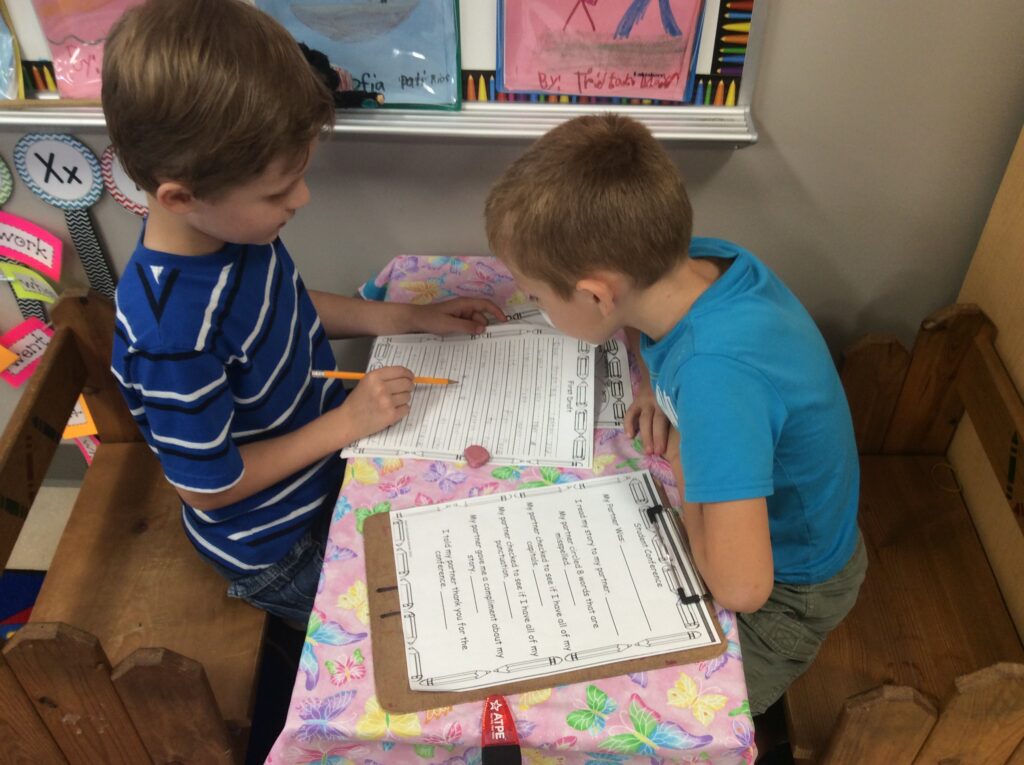
I teach my students how to conduct a student conference, where they sit with a partner and read their stories to each other and answer questions about them. They circle 8 words that are mispelled for their partner to fix, check all their capitals and periods and give them a compliment. I am always so proud of my students when they can sit by themselves and do a student conference without a hitch. But, you have to do A LOT of modeling at the beginning of the year to make that happen!
5.)Writing Becomes a Lifelong Practice
My ultimate goal isn’t just to prepare students for the next test—it’s to help them see themselves as writers. Writers Workshop gives them the habits real authors use: brainstorming, drafting, revising, sharing, and publishing. Daily prompts might get them through an assignment, but authentic choice-based writing develops the identity of a writer. And when kids see themselves as writers, they carry that confidence into every subject and every part of life.
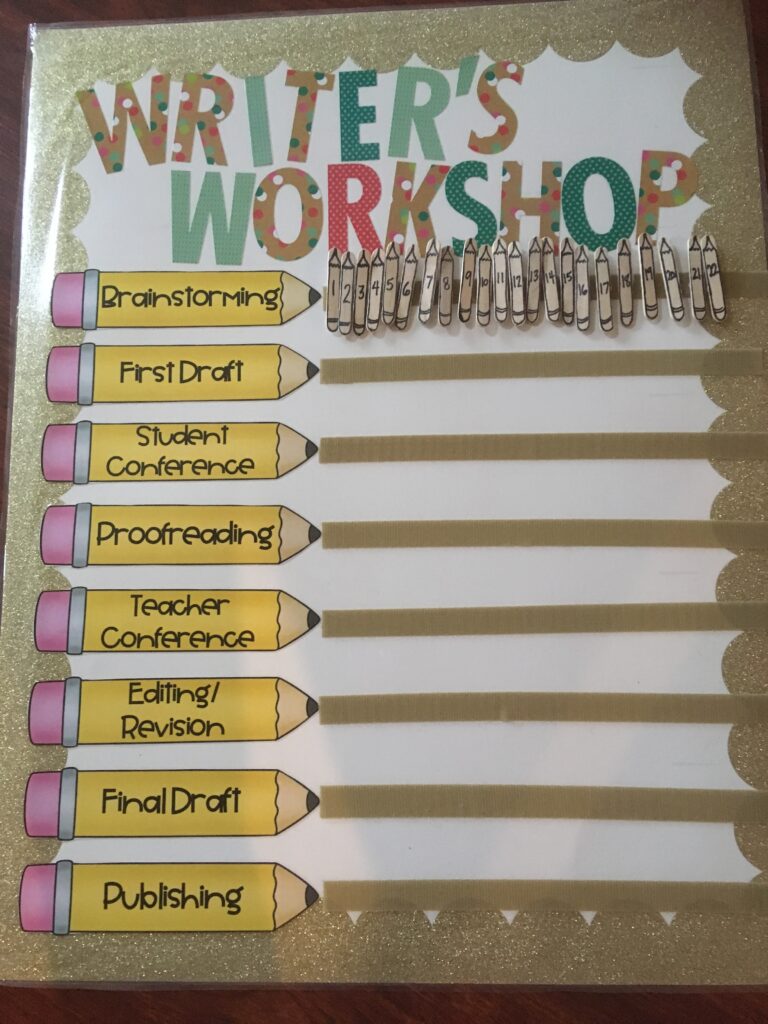
I spend a lot of time at the beginning of the year teaching each step of the writing process. I show them what to do for each step, where to find their writing templates, and what it looks like when completed. I have a poster with popsicle sticks that my students move down according to which step they are on. They love this so much and are so excited to get to publishing!
My Final Thoughts
Prompts aren’t bad in moderation—they can spark ideas or get kids started when they’re stuck. But if writing is always reduced to “answer the prompt,” we risk losing the joy, creativity, and ownership that make writing powerful. You might wonder… when do I use prompts? Well, I use writing prompts during science and social studies. I use a word bank to help my students with their writing.
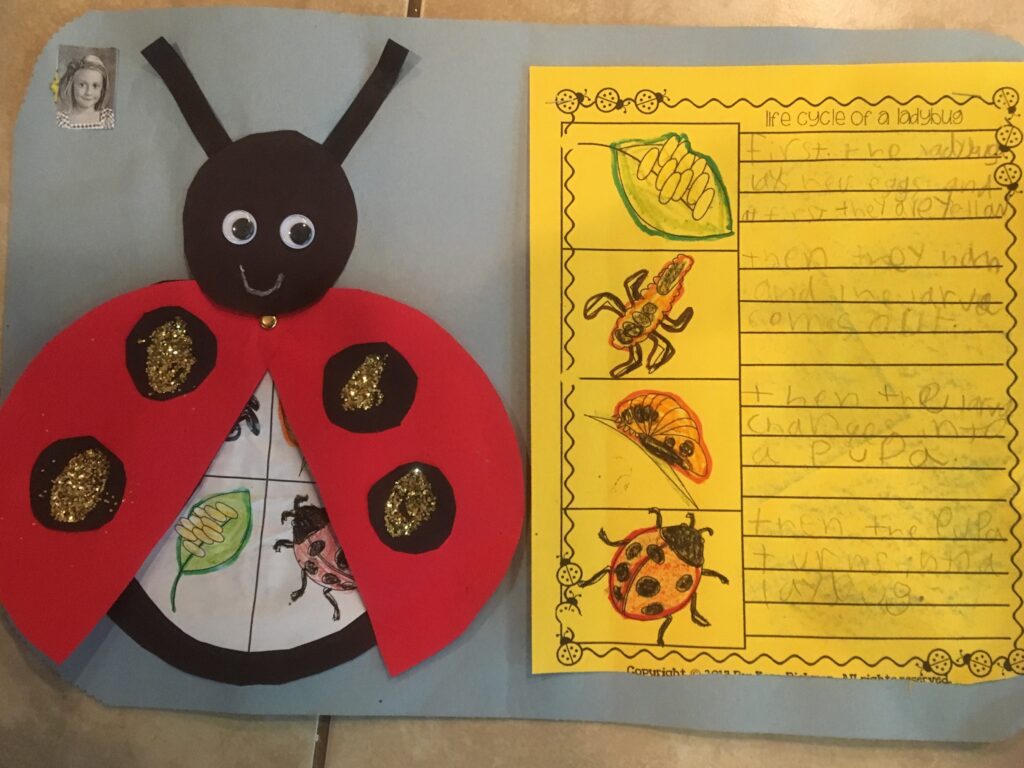
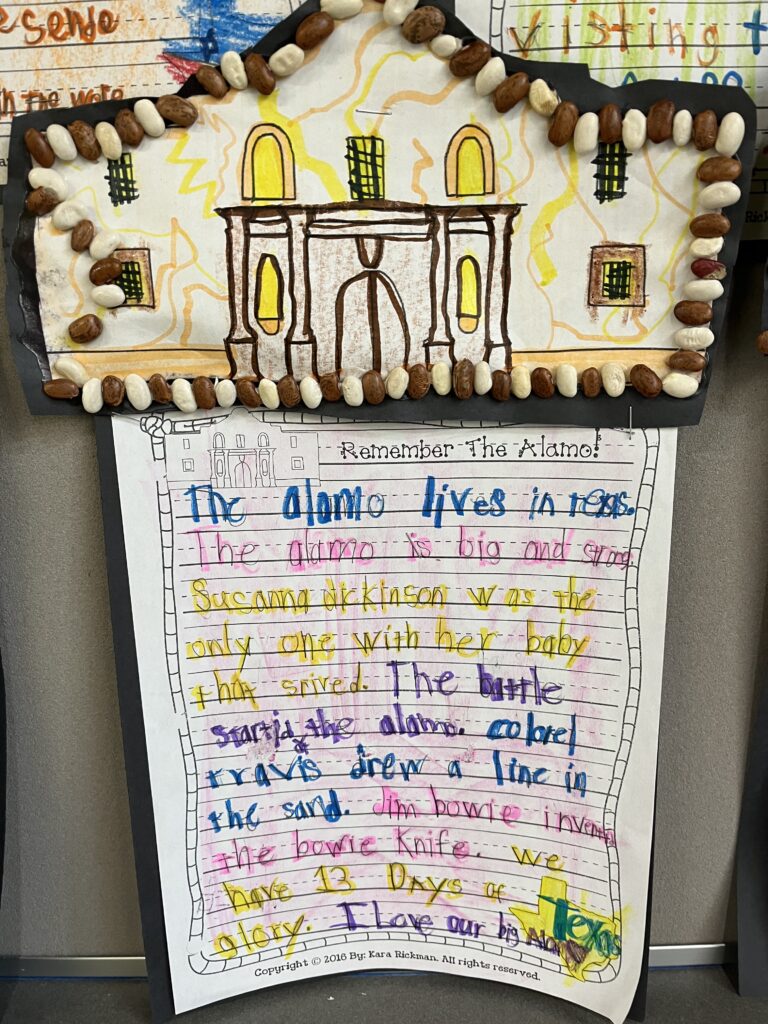
Some examples of my writing prompts for science are: Life Cycle of a Ladybug, Endangered Animal Research Report, Moon Facts, and What’s Under the Ocean. Some social studies writing prompts are: The Battle of the Alamo, Career Day: What Am I Going to Be When I Grow Up?, MLK Facts, and George Washington Facts. I always like to make a craftivity to go along with my science and social studies writin,g and I hang them in the hallway.
In my classroom, Writer’s Workshop has consistently proven that student choice equals student success. When kids write their own stories in their own voices, they’re not just meeting standards—they’re becoming authors of their own learning journey. If you’re interested in checking out my blog post all about how I launch Writer’s Workshop, click HERE.
If you’re interested in checking out my Writer’s Workshop Resource which includes lesson plans with suggested mentor texts, interactive notebooks, anchor charts, skill cards and writing templates, click HERE.
Until next time, let’s take your classroom to the next level!